





The Best Bedroom Plants for Better Sleep (UK Edition)
Houseplants do far more than simply decorate a room. While they certainly enhance the look and feel of an interior space, their benefits go much deeper than aesthetics. Indoor plants have been shown to support mental well-being, reduce stress, improve air quality, and even promote better sleep. Yet many of these advantages are still overlooked when choosing plants for the home.
Sleep plays a vital role in overall health, affecting everything from mood and concentration to immunity and long-term well-being. Unfortunately, poor sleep has become increasingly common. Many adults struggle to reach the recommended minimum of seven hours of rest per night, often due to stress, poor air quality, or an overstimulating environment.
Creating a calm, breathable bedroom can make a noticeable difference, and plants can help achieve exactly that. Certain species release oxygen at night, remove airborne toxins, or give off soothing natural fragrances that encourage relaxation. Below are ten of the best bedroom plants suited to UK homes that may help you enjoy deeper, more restful sleep.
1. Jasmine (Jasminum)
Jasmine is widely admired for its delicate white flowers and naturally sweet fragrance. The scent is often associated with calmness and relaxation, making it an excellent choice for the bedroom. Many people find that the aroma of jasmine helps reduce feelings of anxiety and creates a peaceful atmosphere conducive to sleep.
Placing a jasmine plant near your bed allows the fragrance to gently fill the room during the evening hours. With enough light during the day and moderate watering, jasmine can thrive indoors and reward you with both beauty and tranquillity.
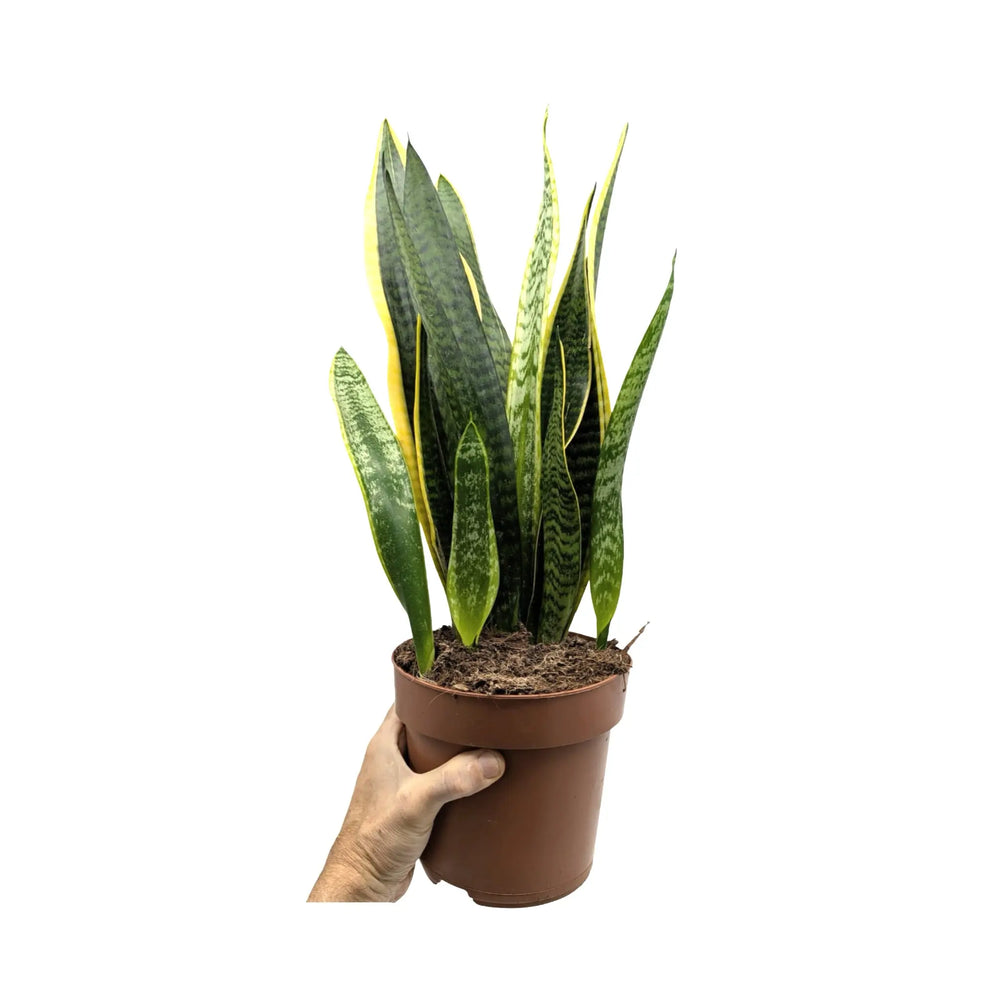
2. Snake Plant (Sansevieria)
The snake plant is one of the most popular bedroom plants for good reason. Unlike many houseplants, it releases oxygen at night rather than during the day. This makes it especially useful in sleeping spaces, where improved air circulation can support easier breathing.
In addition to boosting oxygen levels, snake plants are known for their ability to filter out harmful airborne pollutants often found in household environments. They are also incredibly low maintenance, tolerating low light and infrequent watering, making them ideal for beginners.
3. Lavender (Lavandula)
Lavender is famous for its calming scent and long-standing association with relaxation. Historically, lavender was used to soothe the nerves and encourage sleep, and its popularity has continued for generations.
As a bedroom plant, lavender can help create a spa-like atmosphere that promotes restfulness. Its gentle fragrance is known to ease tension and slow the heart rate, making it easier to unwind before bedtime. Lavender prefers bright light and good air circulation, so a sunny windowsill is an ideal spot.
4. Golden Pothos
Golden pothos is valued for its air-purifying qualities and trailing foliage, which adds visual interest to a bedroom. It works quietly while you sleep, helping to reduce common indoor pollutants and improve overall air quality.
This plant adapts well to low light and only requires watering once the soil has dried out, making it easy to care for. It can be displayed on shelves, in hanging baskets, or on bedside tables. However, it should be kept out of reach of pets and children, as it is toxic if ingested.

5. Aloe Vera
Aloe Vera is best known for its healing gel, but as a houseplant it also offers benefits for the bedroom. Aloe Vera helps improve air quality and releases oxygen at night, which may contribute to a fresher sleeping environment.
This plant thrives in bright light and requires minimal watering due to its thick, moisture-retaining leaves. Its sculptural appearance makes it a stylish yet functional addition to modern bedrooms.

6. Gardenia
Gardenia plants are admired for their glossy leaves and strongly scented white flowers. Their fragrance is often described as rich and calming, making them a lovely choice for those seeking a more natural way to relax in the evening.
The scent of gardenia is thought to encourage relaxation and reduce mental stimulation, which may help support better sleep quality. Gardenias require a bit more care than some other plants, preferring bright light and consistent moisture, but their beauty and fragrance make the effort worthwhile.
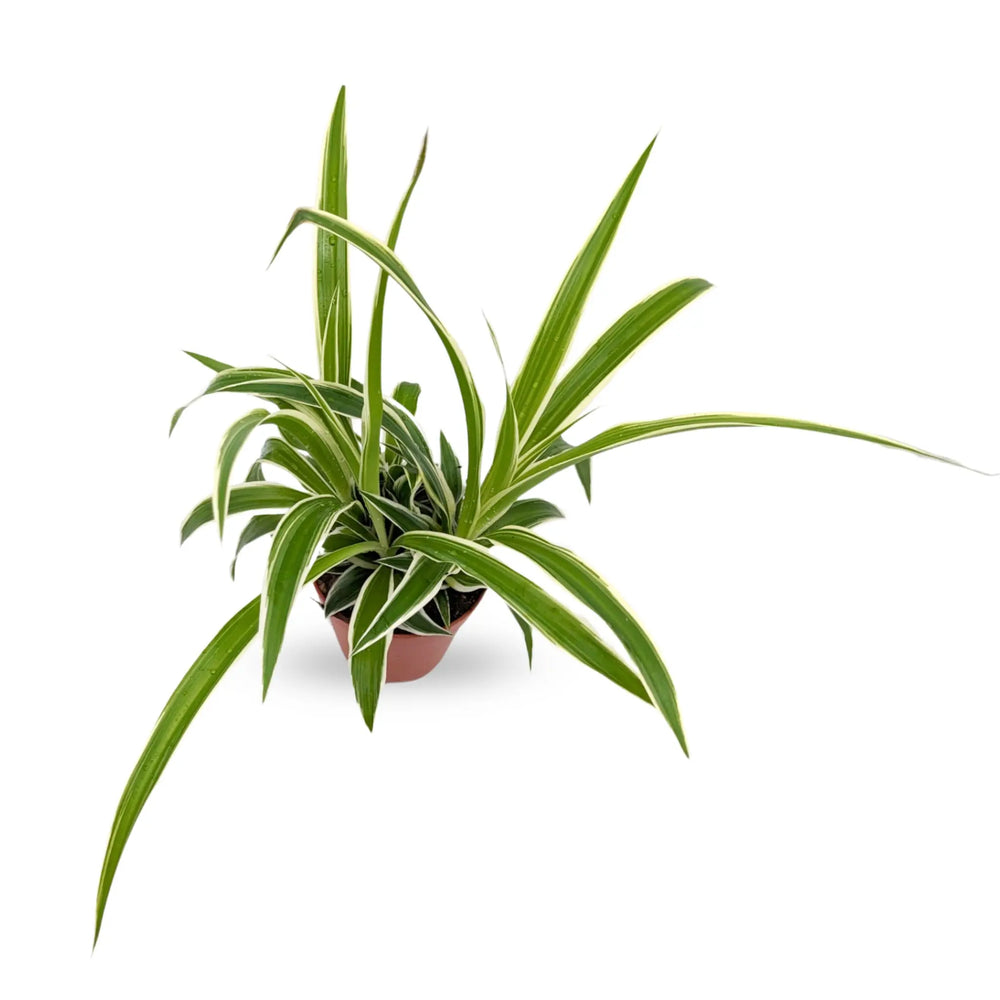
7. Spider Plant
Spider plants are among the easiest houseplants to grow and are excellent at improving indoor air quality. They are known for removing common household pollutants and releasing oxygen, helping to create a cleaner and more breathable bedroom environment.
Their arching leaves and small offshoots add a soft, calming look to a room. Spider plants adapt well to most indoor conditions and are safe for homes with pets, making them a practical and attractive choice.
8. Areca Palm
If dry air or sinus discomfort affects your sleep, the areca palm may be particularly beneficial. This plant acts as a natural humidifier, releasing moisture into the air and helping to prevent dryness that can irritate the throat and nasal passages.
With its feathery, tropical leaves, the areca palm also brings a sense of calm and freshness to the bedroom. It prefers bright, indirect light and regular watering, especially during warmer months.
9. Chamomile
Chamomile is most commonly associated with calming teas, but it can also be grown as a bedroom plant. Its subtle, apple-like scent is known for its soothing properties and can help promote a sense of relaxation in the evening.
Growing chamomile indoors allows you to enjoy both its gentle fragrance and the option to harvest flowers for homemade tea. When paired with other calming plants, chamomile can contribute to a restful nighttime environment.
10. Chinese Evergreen (Aglaonema)
Chinese evergreen is an excellent choice for those who want the benefits of a bedroom plant without demanding care requirements. It tolerates low light, needs only occasional watering, and still provides strong air-purifying qualities.
By helping improve indoor air quality and oxygen levels, this plant supports easier breathing while you sleep. Its patterned leaves also add visual interest, making it both functional and decorative.

Final Thoughts
Adding plants to your bedroom is a simple yet effective way to support better sleep. From improving air quality to releasing calming scents, the right plants can help transform your bedroom into a peaceful retreat. Whether you prefer low-maintenance greenery or fragrant flowering plants, there is an option to suit every home and lifestyle. Over time, these natural companions may help you rest easier and wake feeling more refreshed.