





5 Houseplants With Real Health Benefits (UK-Friendly Picks)
Bringing nature indoors is one of the simplest ways to refresh your home, add personality to your décor and cultivate a calming atmosphere. While indoor plants may not purify the air as dramatically as once believed, their real value lies in how they improve mood, comfort and wellbeing. From reducing everyday stress to giving you a comforting routine to follow, the right houseplants can be wonderful companions—especially for busy UK households looking for low-effort greenery.
Many plant lovers also find that caring for foliage encourages mindful moments. The gentle act of watering, pruning or simply observing new growth can become a grounding ritual. When chosen well, houseplants can enhance your space, lift your spirits and brighten even the dreariest corner of your home.
If you’re unsure where to begin, start with plants that are known to be reliable and easy to manage. The healthiest houseplants are those you can care for without frustration. Varieties like pothos, spider plants, snake plants and ZZ plants are often recommended for beginners because they tolerate a wide range of indoor conditions. Below, you’ll find five excellent, UK-friendly plants that offer meaningful health and wellbeing benefits while remaining simple to maintain.
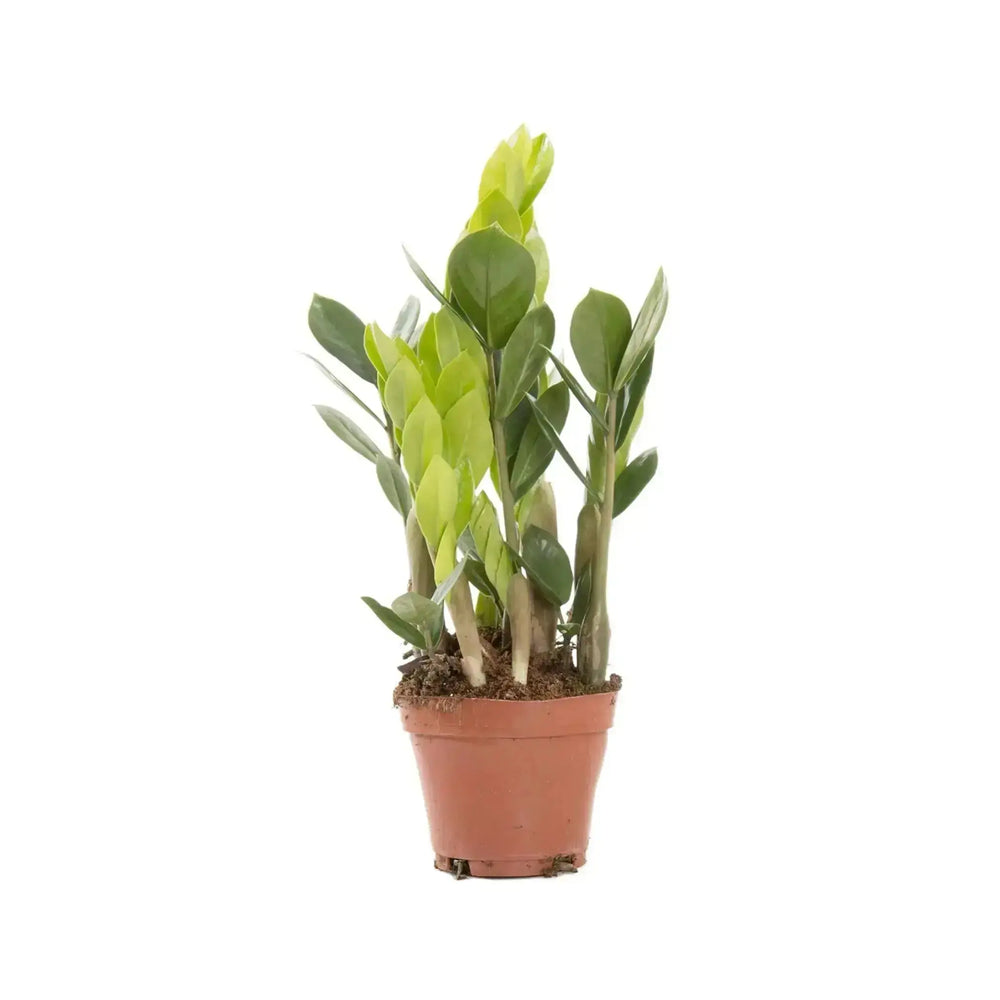
1. ZZ Plant
The ZZ plant, often called the “Eternity Plant,” has earned a reputation for being one of the toughest indoor plants available. With glossy, upright leaves and a sculptural silhouette, it instantly adds style to any room. It tolerates most light conditions—making it ideal for UK homes with limited sunlight—and only needs watering every couple of weeks.
Its low-maintenance nature makes it perfect for people with busy schedules or a tendency to forget about their plants. Just be mindful of its placement, as its leaves can be harmful if accidentally ingested by pets or small children. Aside from that, it is one of the most resilient and rewarding houseplants you can choose.
2. Elephant Ear Plant
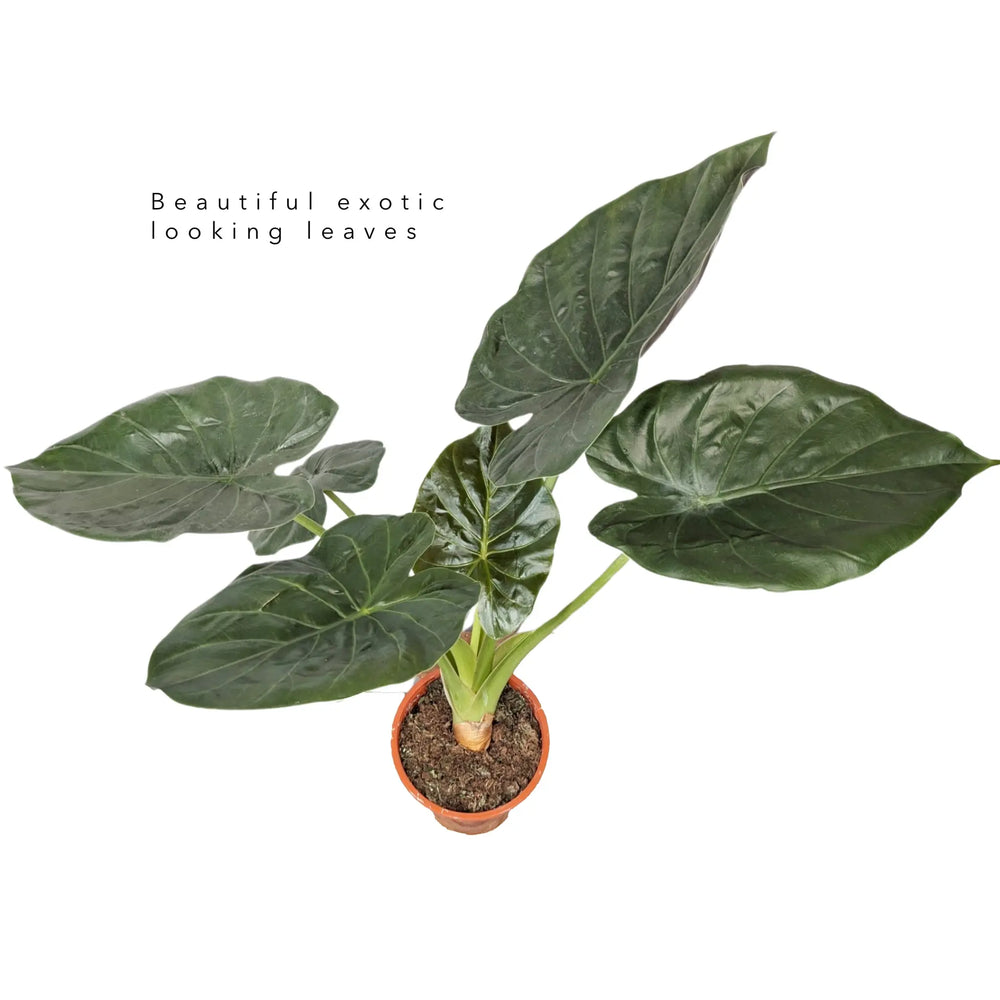
If you enjoy spending time tending to your plants, elephant ear plants may be the perfect match. Known for their dramatic, oversized leaves shaped like hearts, they bring a striking, tropical look to indoor spaces. These plants prefer warm temperatures, plenty of water and higher humidity—conditions similar to a greenhouse environment.
Although they grow large and require slightly more attention than typical low-care plants, many plant lovers find their bold foliage worth the effort. Most varieties prefer shade, while a few tolerate partial sun, making them adaptable to different indoor placements.
Do keep in mind that the leaves contain natural compounds that can irritate the mouth and cause swelling if eaten, so it’s best to place them out of reach of children and pets. With proper care, elephant ear plants become beautiful statement pieces that bring an energising dose of nature into your home.
3. Spider Plant
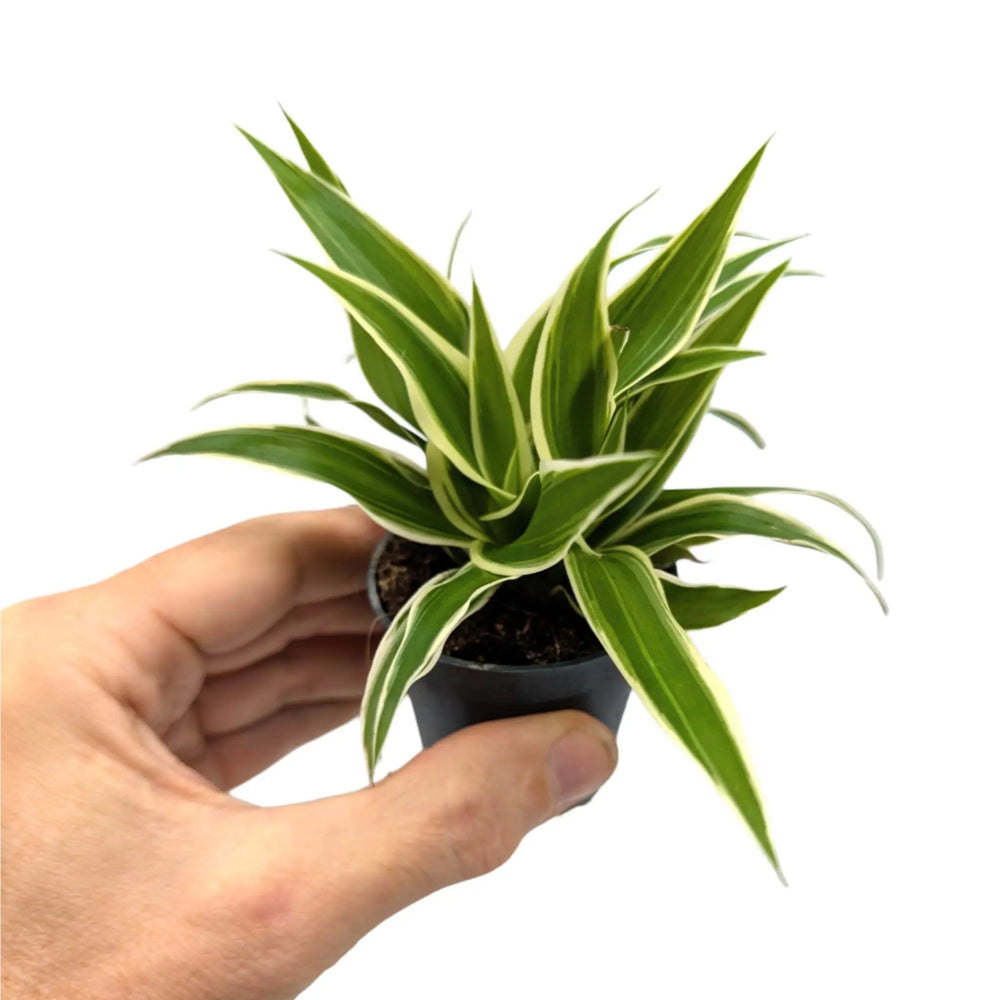
Spider plants are renowned for their resilience and ability to thrive even when neglected. Their arching green-and-white leaves make them visually appealing, and they grow well in various light levels, including bright, indirect light or partial shade.
One of their standout features is the production of small baby plants or “pups,” which hang from long stems. These can be easily propagated, allowing you to grow new plants or share them with friends. Because spider plants are hardy and forgiving, they are excellent for beginner plant parents or anyone seeking a trouble-free addition to their home.
They also bring a sense of liveliness to shelves, hanging baskets or windowsills and adapt effortlessly to the changing seasons in the UK.
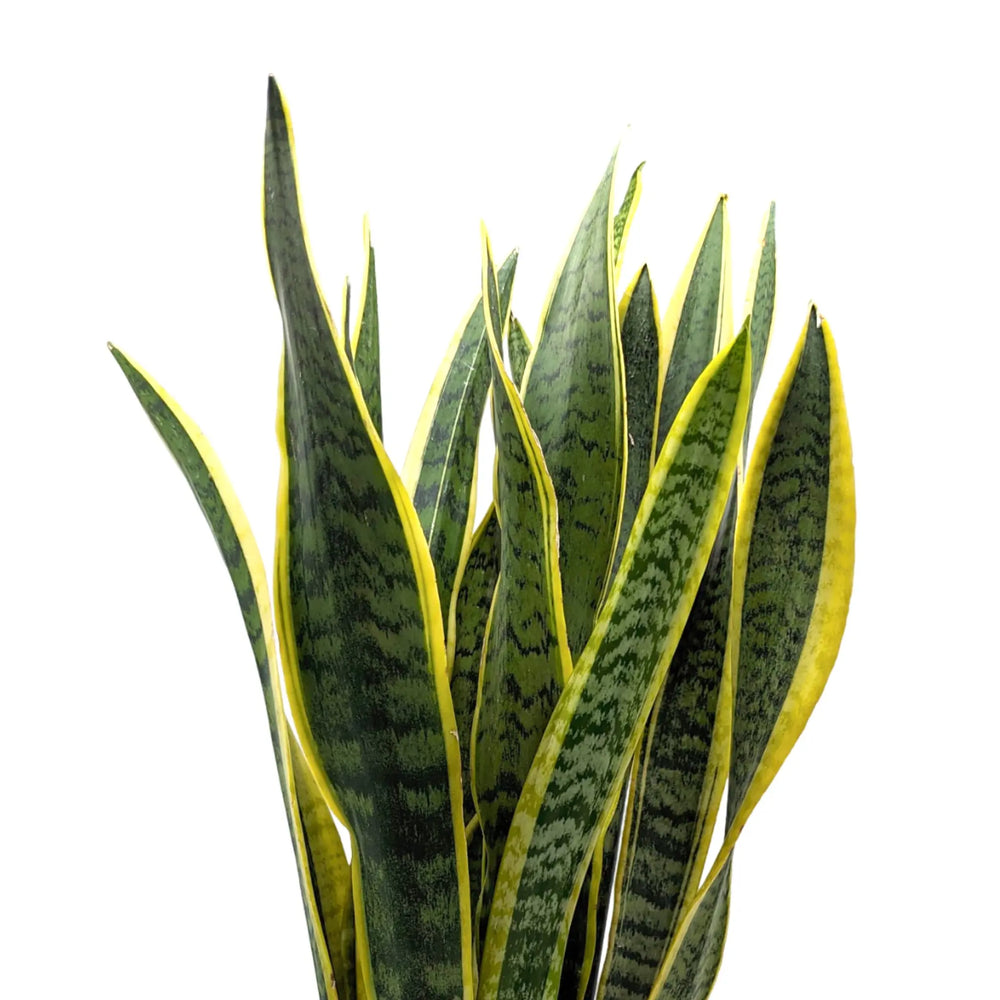
4. Snake Plant
The snake plant is beloved for its upright, spear-like leaves and striking patterns, which range from deep greens to variegated yellows. With its architectural look and wide range of varieties, it fits well in both modern and traditional UK interiors.
This plant is famously low-maintenance. It can survive low light, inconsistent watering and fluctuating indoor temperatures. In fact, it thrives on neglect and only needs watering when the soil dries out completely. Its ability to handle poor lighting makes it an excellent choice for hallways, bedrooms or offices.
Snake plants are mildly toxic to pets if eaten, so it’s best to keep them out of reach. Other than that, they are durable, attractive and perfect for creating a soothing corner with minimal effort.
5. Peace Lily
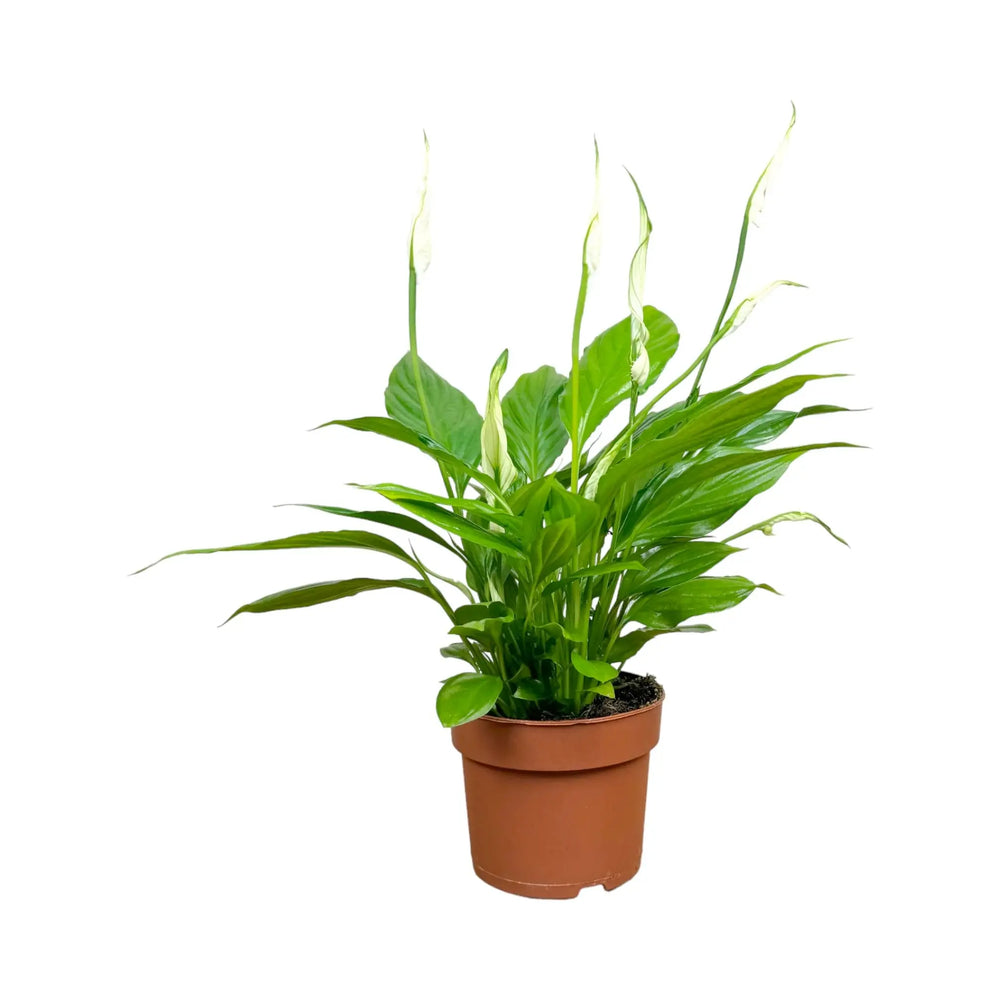
True to its name, the peace lily brings an air of tranquillity wherever it grows. Known for its elegant white blooms and lush green leaves, it is both decorative and emotionally soothing. Peace lilies prefer low to medium indirect light, making them excellent choices for UK homes where natural sunlight may be limited.
They are also wonderfully expressive. A slight droop is their way of saying they need water, and they usually perk up again within hours. Although easy to care for, they can be sensitive to overly dry conditions or intense heat, so it’s best to keep them in shaded or moderately lit rooms.
Like several other houseplants, peace lilies should be kept away from pets and children, as ingestion can cause irritation. When cared for properly, they can live for years and continue producing their gentle, signature blooms.
How Houseplants Support Your Health
The health benefits of houseplants go far beyond their visual appeal. Caring for plants provides moments of mindfulness, grounding you in the present and encouraging a calm, steady rhythm in your day. Many people place plants in their workspace or living area to create a more soothing environment, improve their mood or stay connected to nature.
Plants can also increase indoor humidity, which is helpful during cold UK winters when heating systems dry out the air. This added moisture can make your living space feel more comfortable, especially for those sensitive to dryness.
However, while plants support overall wellbeing, they aren’t a substitute for medical care. They contribute positively to your emotional and mental space, forming part of a larger, balanced lifestyle.
Mental Health Benefits of Houseplant Care
Spending time around greenery has been linked to reduced stress, improved focus and enhanced cognitive performance. Studies suggest that people who keep indoor plants may feel more grounded, take fewer sick days and even experience better tolerance during physical discomfort.
One of the clearest benefits is the emotional connection people form with their plants. Watching new leaves emerge, repotting a growing plant or simply tending to routine care can offer a sense of purpose. These small rituals create a comforting structure, especially during stressful times.
Plants foster a relationship with nature that can be deeply nourishing. For many people, this connection brings joy, stability and a peaceful sense of routine.