


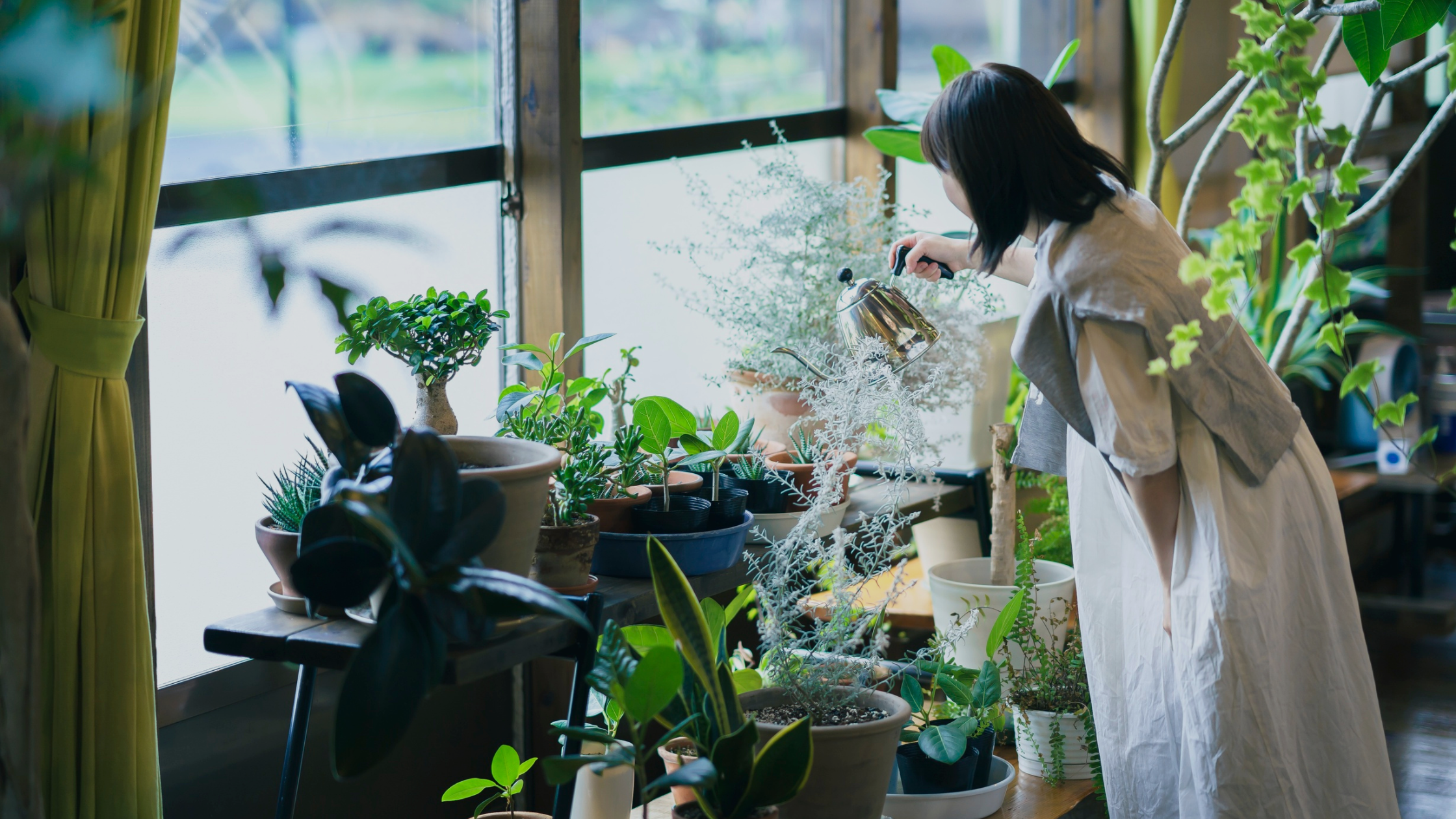
How to Water Houseplants in Winter Without Overdoing It
Winter can be a confusing season for plant care. As temperatures drop and daylight hours shorten, many plant owners assume their houseplants need little to no attention. While it’s true that plants grow more slowly in winter, they still require water to stay healthy. The real challenge lies in knowing how much water is enough—without tipping into overwatering, which is one of the most common causes of winter plant damage.
Understanding how plant needs change during winter will help you keep your houseplants alive, healthy, and ready for new growth in spring.

Why Winter Watering Requires a Different Approach
Houseplants behave very differently in winter compared to warmer months. Reduced sunlight, cooler indoor temperatures, and slower growth all affect how plants use water.
-
Slower growth: Most houseplants enter a semi-dormant phase in winter. With less active growth, they absorb water more slowly.
-
Lower evaporation: Cooler air and reduced sunlight mean moisture stays in the soil longer.
-
Reduced transpiration: Plants lose less water through their leaves in winter, decreasing their overall water demand.
Because of these changes, continuing a summer watering routine during winter often leads to soggy soil and stressed roots.
General Rules for Watering Houseplants in Winter
Always Check the Soil First
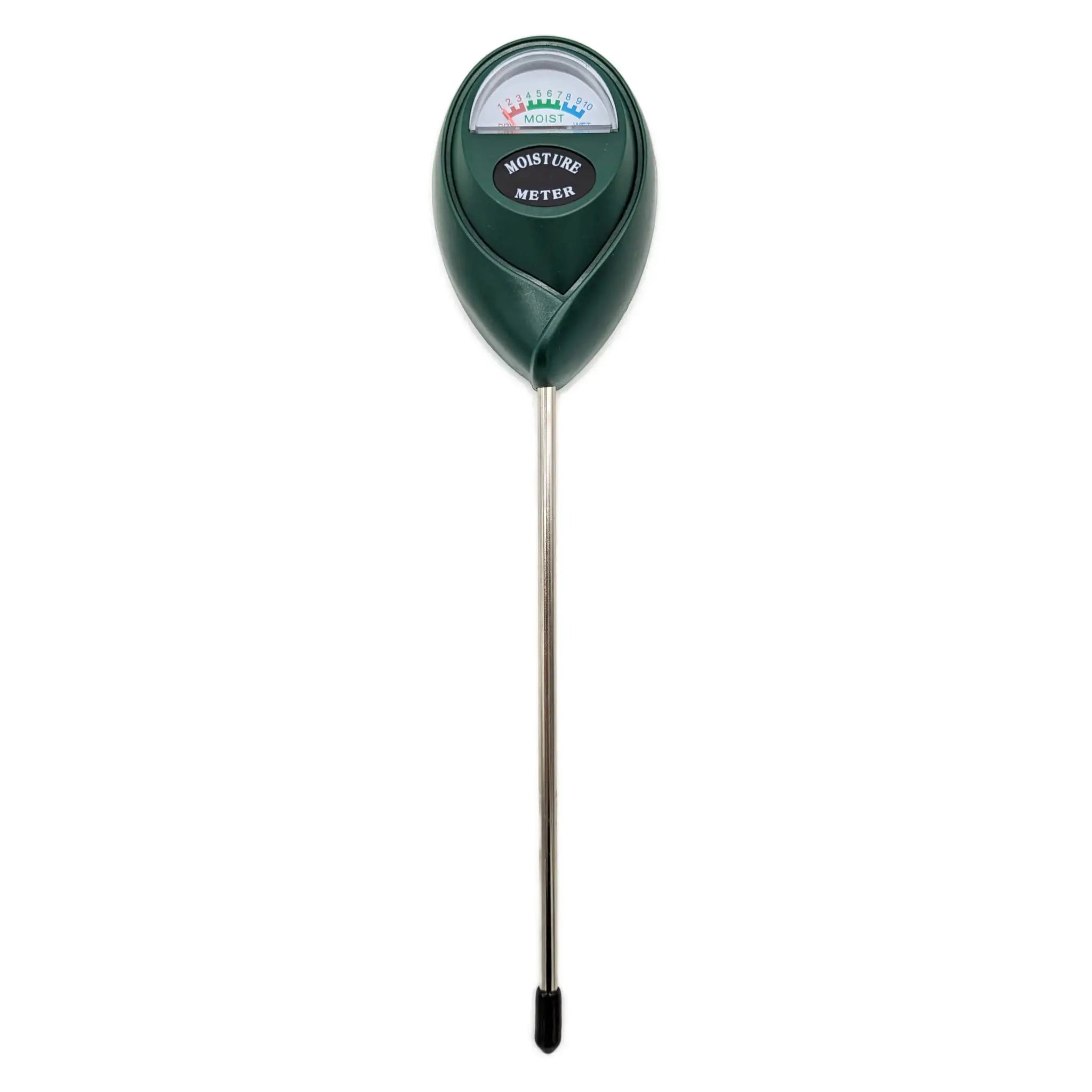
Never water on a schedule alone. Insert your finger about an inch into the soil. If it feels dry, watering is usually safe. If it feels damp, wait a few more days. For larger pots, check deeper soil levels as surface dryness can be misleading.
Water Less Often, Not Less Carefully
Winter watering should be less frequent but still thorough. When you do water, allow moisture to reach the root zone and ensure excess water drains away completely.
Use Room-Temperature Water
Cold water can shock plant roots. Let tap water sit for several hours before use so it reaches room temperature and allows any harsh chemicals to dissipate.
How Indoor Conditions Affect Winter Watering
Indoor environments change significantly during winter, and these conditions directly influence how often plants need water.
Heating Systems
Central heating dries the air, which can cause plants to lose moisture through their leaves even when soil remains damp. This often leads to confusion and accidental overwatering.
Instead of watering more frequently:
-
Increase humidity using water trays or a humidifier
-
Group plants together to create a more humid microclimate
Reduced Light
Lower light levels slow down photosynthesis, meaning plants use less water. Plants placed far from windows or in shaded rooms will need even less frequent watering.
Drafts and Temperature Fluctuations
Plants near windows, doors, or heaters may dry unevenly. Always check soil moisture rather than assuming all plants need water at the same time.
Watering Different Types of Houseplants in Winter
Tropical Houseplants
Many tropical plants need watering every two to three weeks during winter. Let the top layer of soil dry out between waterings, but avoid letting the entire pot dry completely.
Succulents and Cacti
These plants store water in their leaves and stems and require very little moisture in winter. In many cases, watering once a month—or even less—is sufficient.
Flowering Plants
Winter-blooming plants may still need moderate watering, but only when soil dryness indicates it’s necessary. Avoid keeping soil constantly moist.
Helpful tip: Lift the pot. A lightweight pot usually means the soil is dry, while a heavy pot indicates moisture is still present.
The Importance of Proper Drainage
Good drainage is essential year-round but becomes especially important in winter.
-
Use pots with drainage holes
-
Empty saucers after watering
-
Avoid decorative containers that trap water at the base
Waterlogged soil deprives roots of oxygen, leading to root rot, fungal problems, and yellowing leaves.
Common Winter Watering Mistakes to Avoid
-
Overwatering dormant plants: Less growth means less water is needed.
-
Watering without checking soil: Visual cues alone can be misleading.
-
Letting plants sit in water: Standing water damages roots quickly.
-
Using softened water: Salts can build up in soil and harm plant health.
-
Compensating for dry air with water: Increase humidity instead of watering more often.
Signs You’re Overwatering in Winter
Recognising early warning signs can prevent permanent damage.
-
Yellow or pale leaves
-
Wilting despite wet soil
-
Mushy stems or roots
-
Fungus gnats hovering around soil
-
Mold or algae growing on the soil surface
If you notice these symptoms, stop watering immediately and allow soil to dry out. In severe cases, repotting into fresh, dry soil may be necessary.
Adjusting Your Watering Routine Plant by Plant
Not all houseplants have the same winter needs. Some may require occasional watering adjustments based on:
-
Pot size
-
Soil type
-
Room temperature
-
Light exposure
Rather than treating all plants the same, observe each one individually and respond to its specific needs.
Final Thoughts
Watering houseplants in winter is all about balance. Plants may not be growing much, but they still rely on consistent moisture to survive the colder months. By paying attention to soil conditions, indoor climate, and plant type, you can avoid the most common winter watering mistakes.
Think of winter watering as a gentle maintenance routine rather than active care. Plants don’t need to be soaked—just supported. When done correctly, this mindful approach helps protect roots, prevent disease, and ensure your houseplants are strong and ready to grow when spring returns.
In winter, houseplants don’t drink deeply—they sip slowly. Learning when and how to offer that sip makes all the difference.