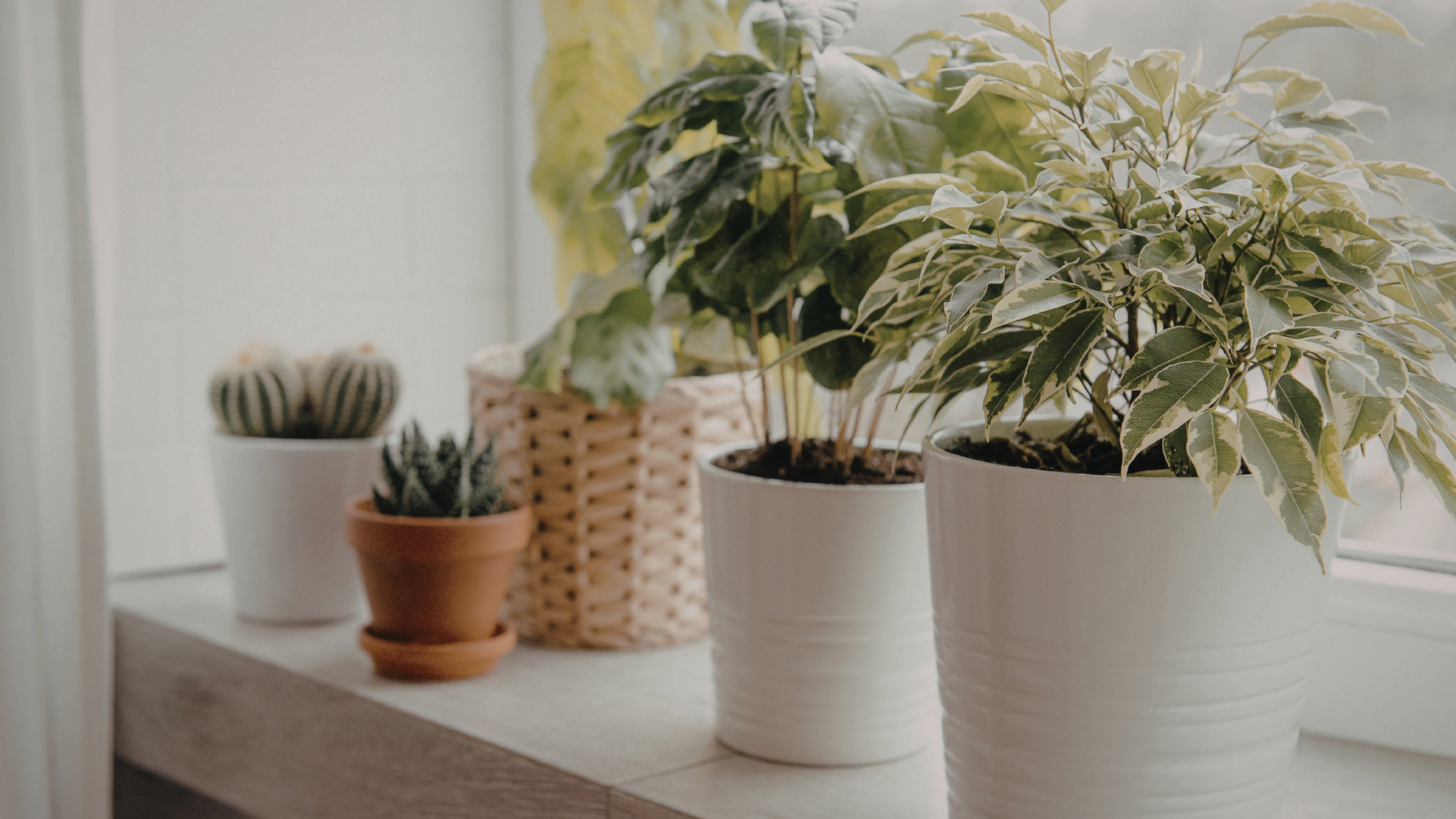



Do House Plants Actually Filter the Air in Your Home? A Complete Evidence-Based Guide
Searching for air-purifying house plants for the bedroom has become a huge trend among health-conscious people and green home decorators. Plants are marketed everywhere as natural air filters—but how much do they really help? Can a few indoor plants genuinely clean the air inside your home, or is this claim mostly a myth?
This comprehensive guide breaks down the facts with clear explanations, scientific insights, practical tips, and realistic expectations. You’ll learn what plants can and cannot do, how many you’d actually need to make a difference, which species are ideal for bedrooms, and why ventilation and air purifiers still matter.
Do Air-Purifying House Plants Really Clean Indoor Air?
The popular belief that house plants remove toxins started with a well-known laboratory study in 1989. Researchers found that several indoor plants could reduce airborne chemicals such as benzene and formaldehyde in sealed test chambers. These findings were exciting and sparked the modern trend of “air-purifying plants.”
However, real homes are very different from lab chambers. Indoor spaces are constantly exposed to outside air through doors, windows, ventilation systems, and daily activities. This means pollutants don’t build up in the same way they do in a sealed environment.
Modern scientific reviews confirm that the air-cleaning effect of a few household plants is extremely small. To see meaningful VOC reduction, you would need an unrealistic number of plants—often dozens per room.
Some organizations even note that the overall benefit of indoor plants for air purification is minimal when compared to proper ventilation and mechanical filtration. Overwatering can also increase humidity levels and encourage mold, which negatively affects indoor air quality.
A more recent study from a university horticultural research team noted that plants can remove certain pollutants, but only under specific conditions involving plant species, quantity, and ventilation rates. These results suggest that while plants have potential, real homes would need far more plants than most people are willing to maintain.
Health organizations consistently recommend source control, ventilation, and filtration as the most reliable methods for improving indoor air quality.
Evidence-based summary
Plants work well in sealed experimental environments but have limited air-cleaning effects in normal household settings. Their real value lies in supporting well-being, reducing stress, improving decor, and helping with light humidity balance.
How Many Plants Would You Need to Purify a Room?
This is one of the most common questions people ask. Early studies suggested one plant per 100 square feet—but remember, that was based on sealed chamber data. When modern researchers tested these claims in real indoor environments, they found that the actual number required was far higher.
In many cases, scientists concluded you would need dozens of medium-sized house plants in a single bedroom to produce noticeable VOC reduction.
For most people, this is impractical. And even if the plants were present, regular ventilation would still dilute pollutants far more effectively than the plants could.
Practical conclusion
Enjoy 2–3 plants for comfort, relaxation, and décor—but rely on a HEPA air purifier, ventilation, and low-VOC lifestyle choices for genuinely cleaner air.
How to Choose Bedroom Plants Wisely
If plants cannot perform strong purification, the focus shifts to choosing species that enhance comfort, improve mood, and are safe to keep in your sleeping space. The best air-purifying house plants for bedrooms are easy to maintain, visually soothing, safe when placed properly, and suited to your lighting conditions.
Key things to look for when selecting plants:
-
Non-toxic options if you have pets or children
-
Low or medium light tolerance is suitable for most bedrooms
-
Well-draining soil formulas to prevent mold growth
-
Moderate watering needs
-
Foliage that adds calmness and aesthetic value
General care tips:
-
Choose pots with drainage holes
-
Use airy, fast-draining potting mix
-
Avoid overwatering—let the soil dry between waterings
-
Clean dust off leaves periodically
Best Bedroom Plants for Comfort and Light Purification
These popular options are attractive, beginner-friendly, and known for supporting a calming environment:
-
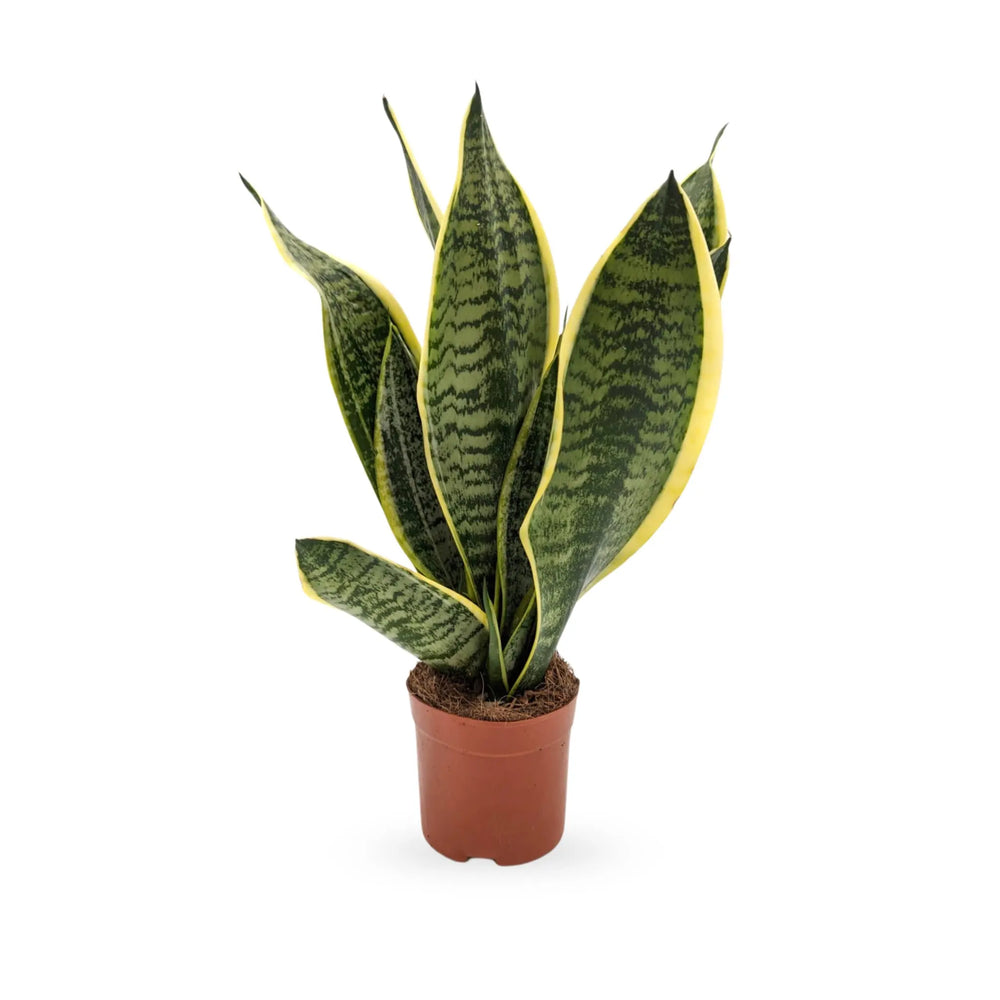
Snake Plant (Sansevieria)
Extremely tolerant of low light and drought. A great choice for bedroom corners.
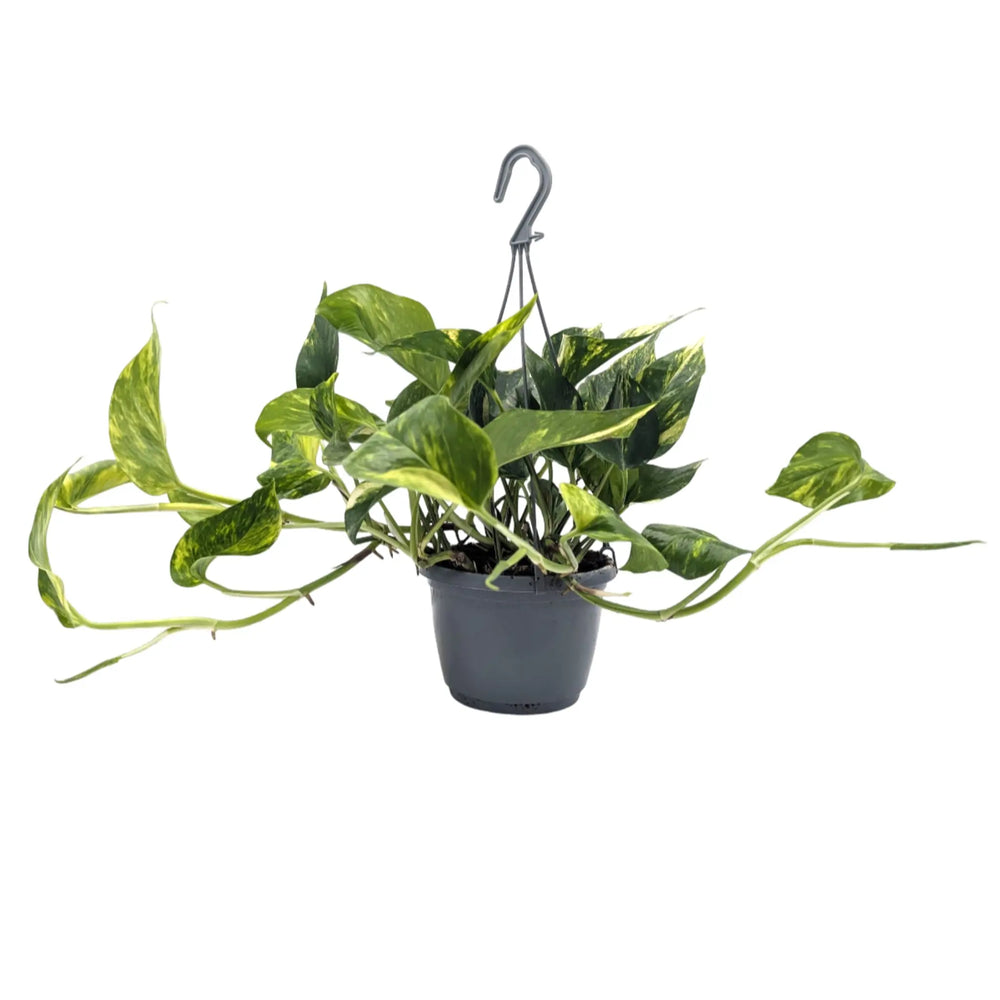
2. Pothos (Epipremnum aureum)
A fast-growing vine ideal for shelves or hanging baskets. Thrives in indirect light.
3. Aglaonema (Chinese Evergreen)
Colorful foliage, shade-tolerant, and adaptable to indoor temperatures.

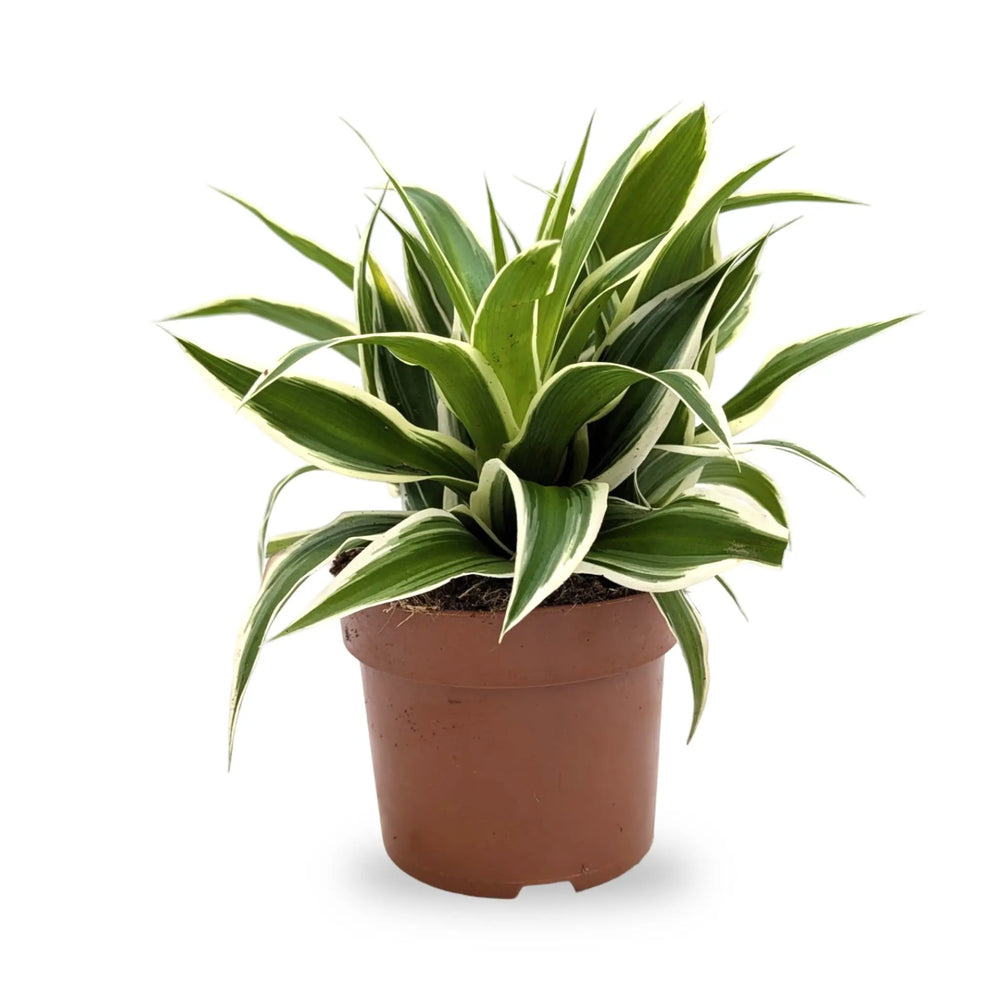
4. Spider Plant (Chlorophytum comosum)
Hardy, resilient, and great for adding fresh greenery without extra care.
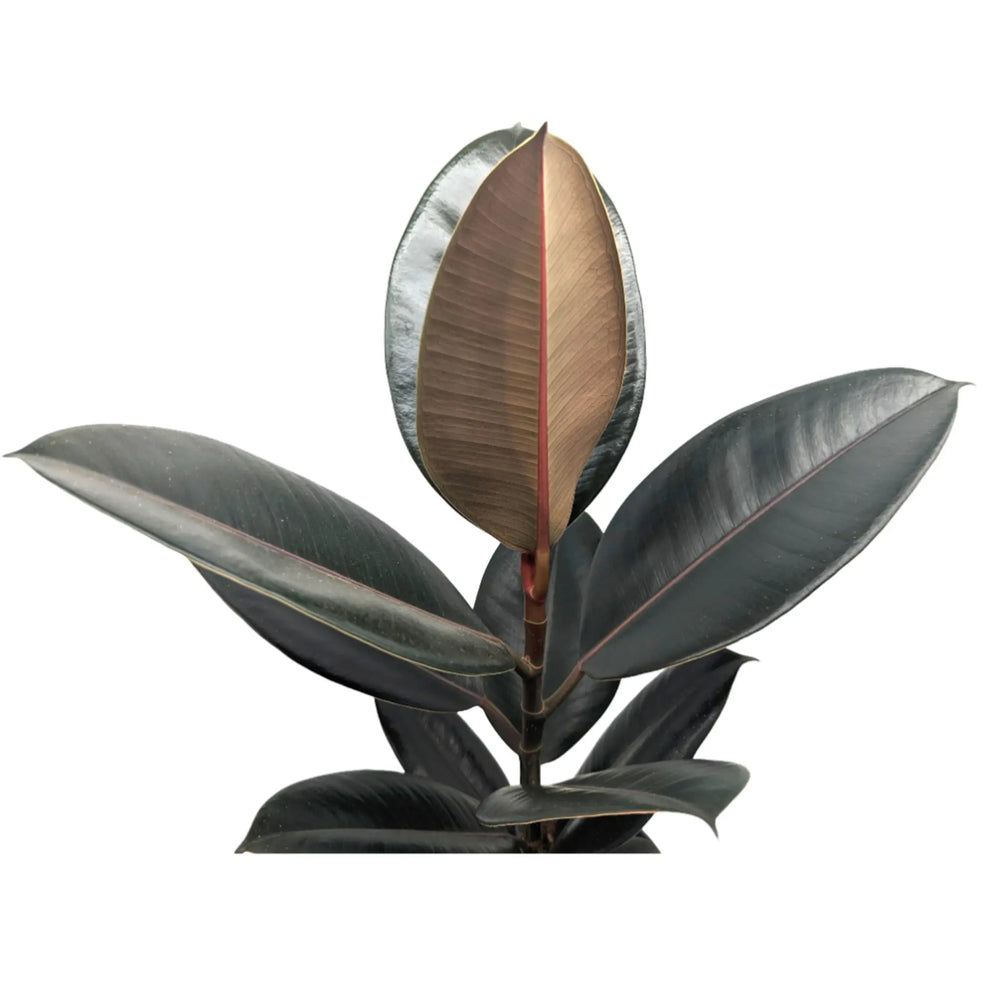
5. Rubber Plant (Ficus Abidjan)
Adds a bold, glossy statement to any bedroom. Prefers bright, indirect light.
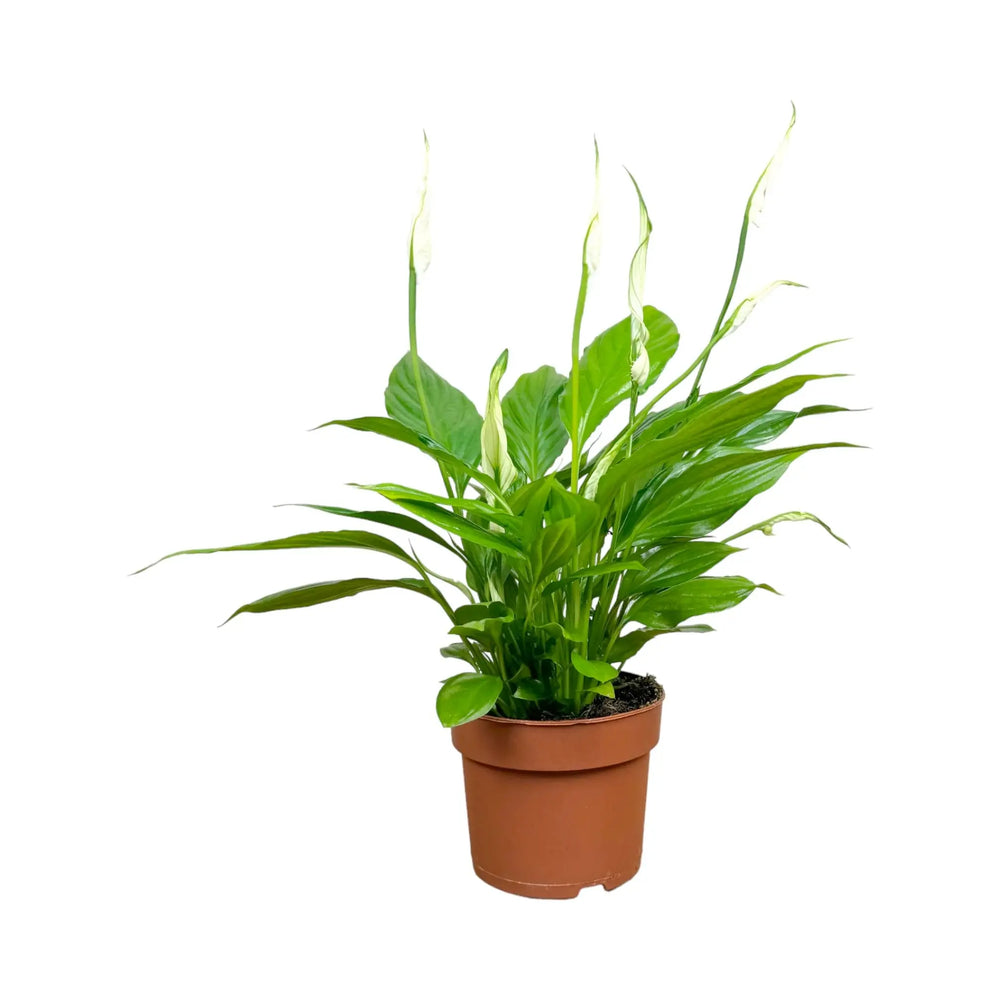
6. Peace Lily (Spathiphyllum)
Elegant white blooms and good tolerance for low light conditions.
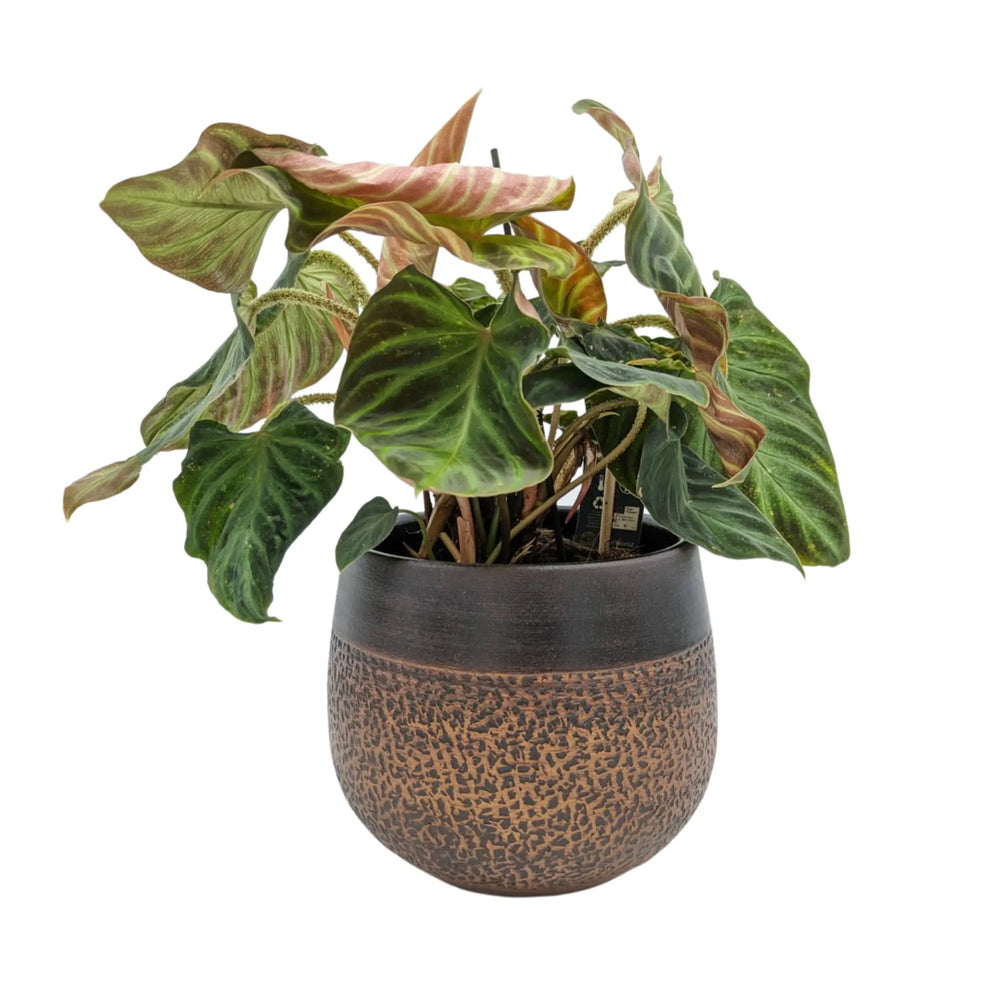
7. Philodendron varieties
Known for large, tropical leaves that elevate bedroom decor.
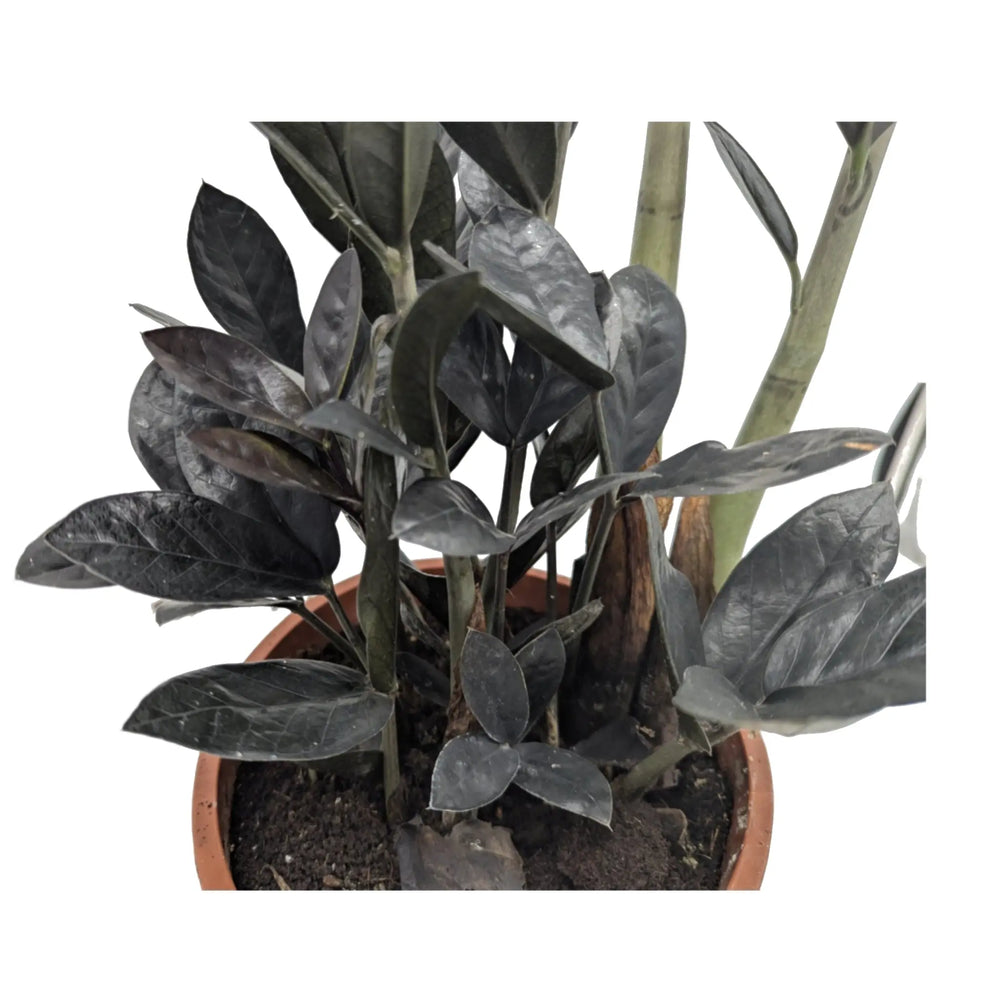
8. ZZ Plant (Zamioculcas zamiifolia)
Very low maintenance, thrives in low light, and needs minimal watering.
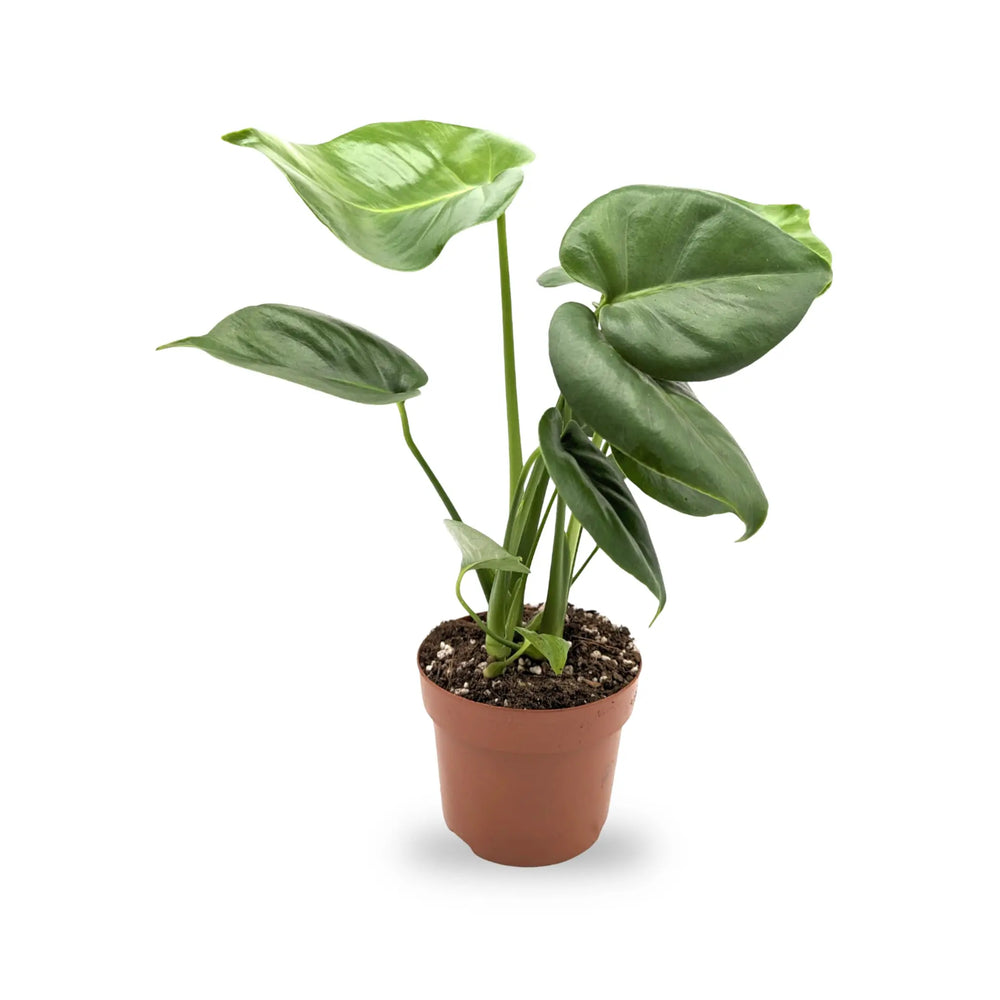
9. Monstera (Monstera deliciosa)
Trendy split leaves that become a focal point in bright, indirect light.
10. Fiddle Leaf Fig (Ficus lyrata)
Beautiful but requires stable light and consistent care.
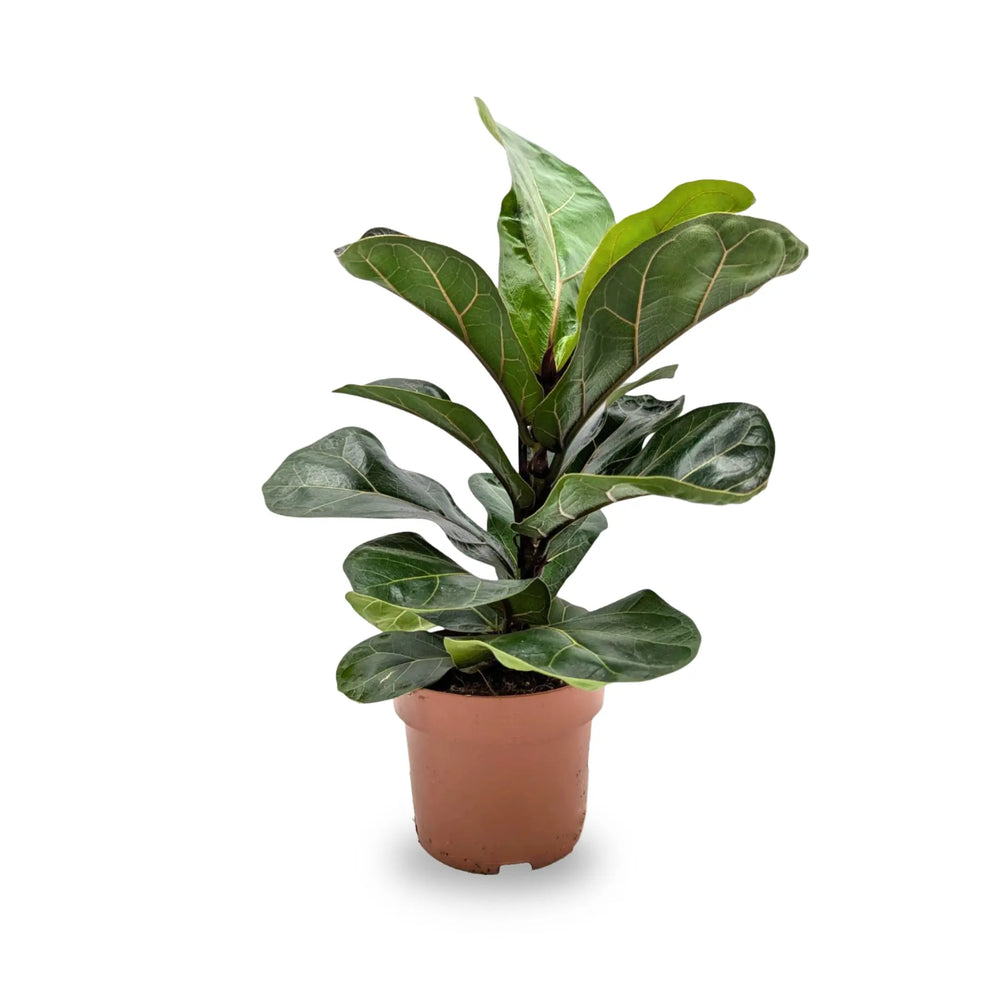
These plants are chosen today more for relaxation, visual appeal, and mood-enhancing qualities than for their ability to clean indoor air.
Where to Place Plants in the Bedroom
To get the most benefit and maintain plant health, consider smart placement:
-
Position plants near windows with bright, indirect sunlight
-
Leave space for airflow around pots
-
Keep them off headboards or crowded corners
-
Use stable planters to prevent tipping
-
Allow space for water without damaging furniture
How to Actually Improve Bedroom Air Quality
While plants are lovely additions to your living space, they cannot replace the real tools needed for clean air. Here are the most effective strategies supported by modern research:
1. Control Pollution Sources
-
Reduce the use of harsh chemical sprays
-
Choose low-VOC paints and furnishings
-
Avoid smoke or strong fragrances indoors
2. Ventilate Regularly
Open windows when outdoor air is clean, or use mechanical ventilation systems to improve airflow.
3. Use a HEPA Air Purifier
A purifier with HEPA and activated carbon filters can remove particles, allergens, and odors far more effectively than plants.
4. Measure Indoor Air Quality
Use a simple air quality monitor to track VOCs, PM2.5 levels, and humidity. This helps you make informed adjustments.
Benefits of Bedroom Plants Beyond Air Quality
Even if plants don’t act as strong purifiers, they offer numerous proven benefits:
-
Stress reduction: Studies show greenery lowers anxiety and boosts mood.
-
Visual relaxation: Natural elements help create a soothing sleep environment.
-
Mild humidity balance: Plants release small amounts of moisture that can soften dry indoor air.
-
Improved décor: Lush foliage enhances bedroom comfort and aesthetics.
Modern research emphasizes these psychological and environmental benefits rather than strong purification claims.
Final Thoughts
Air-purifying house plants are beautiful, calming, and excellent additions to your bedroom, but their ability to remove pollutants is limited in real-world conditions. Enjoy them for relaxation, ambiance, and gentle humidity support. For genuinely cleaner indoor air, rely on a combination of source control, proper ventilation, and HEPA-grade filtration.
By blending greenery with smart air-quality habits, you create a bedroom that is both refreshing and truly healthy.